

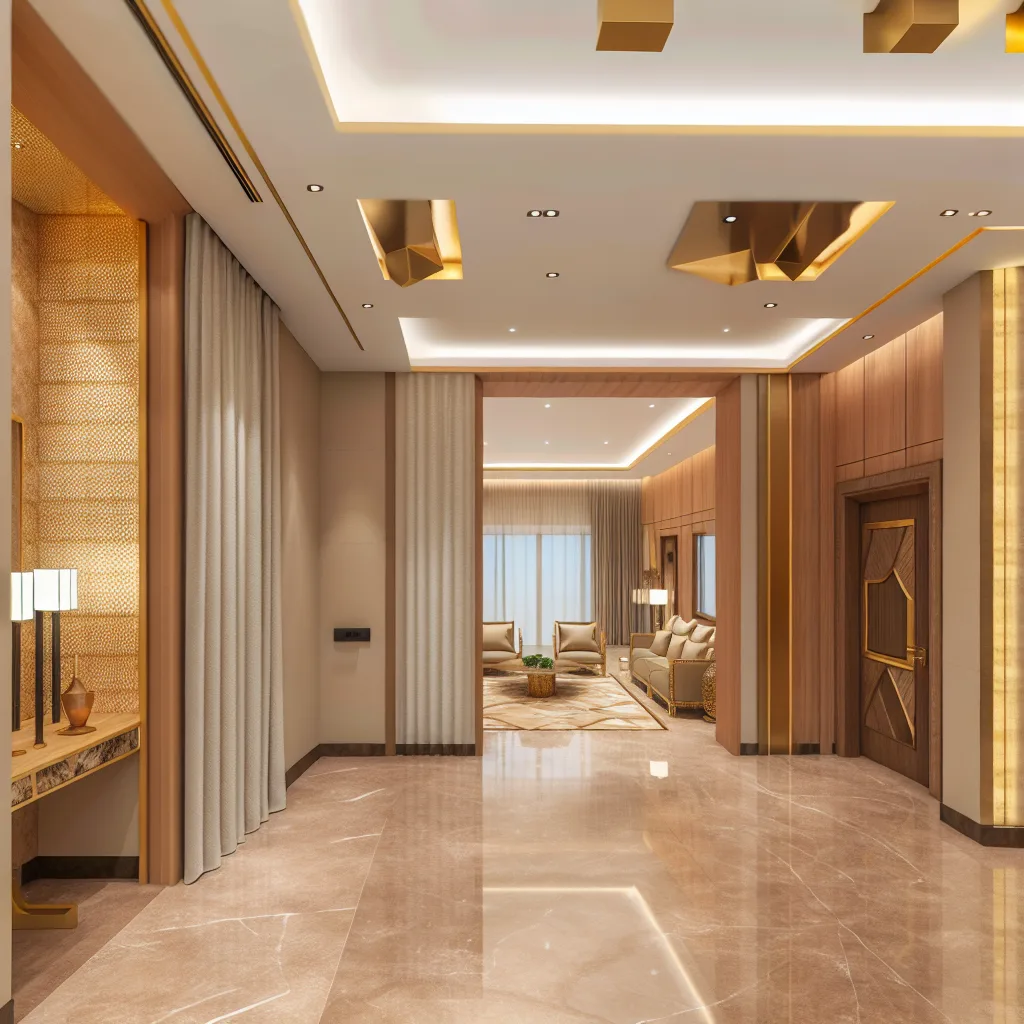
Discover how an interior designer can transform your space with elegance and sophistication in Saudi Arabia. Serving Khobar, Riyadh, and the Eastern Province.
Interior Design in Saudi Arabia: The Complete 2026 Guide
An interior designer in Saudi Arabia plans space layouts, selects materials and furniture, and manages procurement to turn a home, majlis, or office into a functional space suited to Saudi hospitality culture and climate. Whether you’re searching for interior design in Riyadh, an interior designer in Jeddah, or an established interior design company in KSA, the process typically covers consultation, concept design, material sourcing, and installation from start to finish.
For more insights on how to enhance your home, explore our services.
Key takeaways
- Interior design in Saudi Arabia combines space planning, material sourcing, and full project management — it’s more than decorating.
- Majlis layout, climate-appropriate materials, and hospitality-focused furniture are unique priorities in Saudi homes.
- The leading interior design styles for 2026 blend earthy, desert-inspired palettes with smart home and sustainable design trends.
- The right interior design company will differ depending on whether you’re in Riyadh, Jeddah, or the Eastern Province.
What Does an Interior Designer in Saudi Arabia Do?
An interior designer manages the full transformation of a space: conducting a site visit, developing a mood board and design concept, selecting materials and furniture, producing 3D renderings, and overseeing procurement and installation. In Saudi Arabia, this also means designing around majlis seating for guests, sourcing heat-resistant materials, and balancing modern interior design styles with cultural elements like privacy and family gathering spaces.
Their core responsibilities cover five areas:
- Space planning — organizing majlis, living, bedroom, and kitchen interior design layouts for daily use and hospitality.
- Material and furniture selection — choosing marble, wood, and fabrics suited to the local climate.
- Colour and lighting design — balancing natural light with layered artificial fixtures.
- 3D visualisation and mood boards — helping clients approve a design before construction begins.
- Procurement and project management — sourcing from local and international suppliers and overseeing installation.
What Materials Do Saudi Interior Designers Recommend?
Saudi interior designers prioritise materials that handle heat and humidity while still delivering a luxury finish. Saudi marble is the most common flooring and countertop choice, valued for staying cool and for its distinctive veining. Teak and walnut are favoured for furniture and wall panelling because they hold up well in a dry climate, while lighter woods like ash and oak suit more contemporary interior design styles. For upholstery and majlis cushions, silk and velvet add a luxurious texture, while cotton and linen are chosen for everyday living room interior design where breathability and easy maintenance matter more.
Which Interior Design Styles and Colour Palettes Work Best for Saudi Homes?
The most effective interior design styles in Saudi homes combine earthy, desert-inspired tones as a base with either bold accent colours or a neutral, contemporary palette. Sand, terracotta, and ochre create a warm foundation echoing the local landscape, often paired with broad blue or emerald green accents for contrast. Homeowners favouring more modern interior design styles increasingly choose white, beige, and grey bases with pops of fuchsia, turquoise, or gold. Colour choices also carry cultural meaning in Saudi interior design — green is commonly associated with prosperity, and blue with protection, so a designer will factor this in alongside pure aesthetics.
To explore more about colour in design, visit our article on Spring Colour Palettes for Luxury Interiors.
How Should Lighting Be Designed for a Saudi Home?
Effective lighting in a Saudi home layers three elements: natural daylight maximised through large windows and reflective marble surfaces, ambient lighting from chandeliers or recessed fixtures, and task or accent lighting for reading and decorative highlights. Because natural light is abundant for most of the year, designers typically plan window placement first, then layer artificial fixtures to maintain warmth after sunset. A statement fixture — a sculptural floor lamp or a series of pendant lights over a majlis seating area — is often used as a deliberate focal point rather than a purely functional addition.
How Do You Design Furniture and Layout for a Majlis, Bedroom, or Office?
Majlis and living room layouts in Saudi homes are built around low, plush seating arranged for conversation, since hospitality and family gatherings are the primary function of these rooms. A well-designed majlis uses low seating with cushions along the walls to maximise guest capacity while keeping sightlines open. Bedroom interior design in Saudi villas tends to prioritise calm, restorative palettes, while office interior design for home offices or CEO spaces favours clean lines and functional storage. As of 2026, modular and multi-functional furniture, extendable dining tables, storage ottomans, and convertible sofas are trending, especially in Riyadh compounds, where space optimisation matters more than in larger Eastern Province villas.
What Are the Top Interior Design Trends in Saudi Arabia for 2026?
The two dominant trends shaping interior design in Saudi Arabia in 2026 are smart home integration and sustainable, biophilic design. Smart home technology automated lighting, climate control, voice-activated curtains and security— has moved from a luxury add-on to a standard expectation in villas and compounds, with designers now hiding wiring and sensors into the design rather than treating them as visible tech. On sustainability, designers increasingly specify reclaimed wood, recycled metal, and low-VOC paints, paired in the Eastern Province with passive cooling strategies to cut energy use. In Riyadh’s high-rise units, biophilic design — living walls, indoor plants, natural textures — is used specifically to counter the lack of ground-level outdoor access
Interior Design in Riyadh, Jeddah, and Khobar: What’s Different?
Interior design needs shift depending on the city. In Riyadh, where high-rise apartments and compounds are common, designers focus on space optimisation, modular furniture, and biophilic elements to bring nature into vertical living. In Jeddah, coastal villas and apartments call for interior design styles that maximise light and airflow. In Khobar and the wider Eastern Province, larger villas are the norm, so designers prioritise majlis-centric layouts, heat management, and increasingly, sustainable and passive cooling techniques. An interior design company with experience across all three regions will adjust its approach rather than applying one template everywhere.
How Do You Choose the Right Interior Designer or Interior Design Company?
Choosing the right interior designer comes down to verifying local experience, reviewing a real portfolio, and confirming the scope of work in writing before starting.
Checklist:
- Ask for a portfolio of projects specifically in your city — Riyadh compound experience differs from Khobar villa experience.
- Get the scope of work and pricing structure confirmed in writing before committing.
- Request references from at least two past clients in Saudi Arabia.
- Confirm whether 3D renderings and mood boards are included before procurement begins.
- Clarify who manages supplier relationships and installation — the designer or a separate contractor.
Common mistakes to avoid: skipping a written scope of work, choosing an interior design company based on portfolio alone without checking local material-sourcing experience, and underestimating timelines for custom or imported furniture.
Why Work with SB Interior Design?
SB Interior Design is based in Khobar and works across the Eastern Province and Riyadh, with direct experience in villa renovations, Riyadh compound homes, and high-rise apartment interiors. The process starts with a consultation to understand vision and priorities, followed by a customized design plan including mood boards, 3D renderings, and material selections, with the team overseeing procurement, installation, and styling through to completion. This suits homeowners who want a single point of accountability from concept through installation rather than coordinating designers, suppliers, and contractors separately.
Ready to transform your home? Contact us today for a consultation. Let’s bring your vision to life.
Frequently Asked Questions
What do interior designers do for luxury homes in Saudi Arabia?
They handle space planning, material and furniture selection, colour and lighting design, and full project management, with particular attention to majlis layouts and hospitality-focused spaces in larger villas.
How do interior designers work with clients in Khobar and Riyadh?
The process starts with a discovery meeting, moves to design concepts and 3D visualisations, then to procurement and installation. Many designers now offer virtual consultations for Riyadh clients working remotely.
Is interior design the same as interior architecture?
No. Interior design focuses on furnishing, materials, colour, and layout within an existing structure, while interior architecture involves structural changes such as moving walls or altering a building’s layout.
What’s the difference between interior design companies in Riyadh, Jeddah, and Khobar?
The core skills are the same, but companies with local experience will adapt to regional property types — high-rise compounds in Riyadh, coastal villas in Jeddah, and larger majlis-centric villas in the Eastern Province.
How can I get interior design ideas for my Saudi home?
Design magazines, Pinterest, and Instagram offer inspiration, but a professional consultation with mood boards and 3D renderings gives a realistic view of how a design will look in your specific space.