

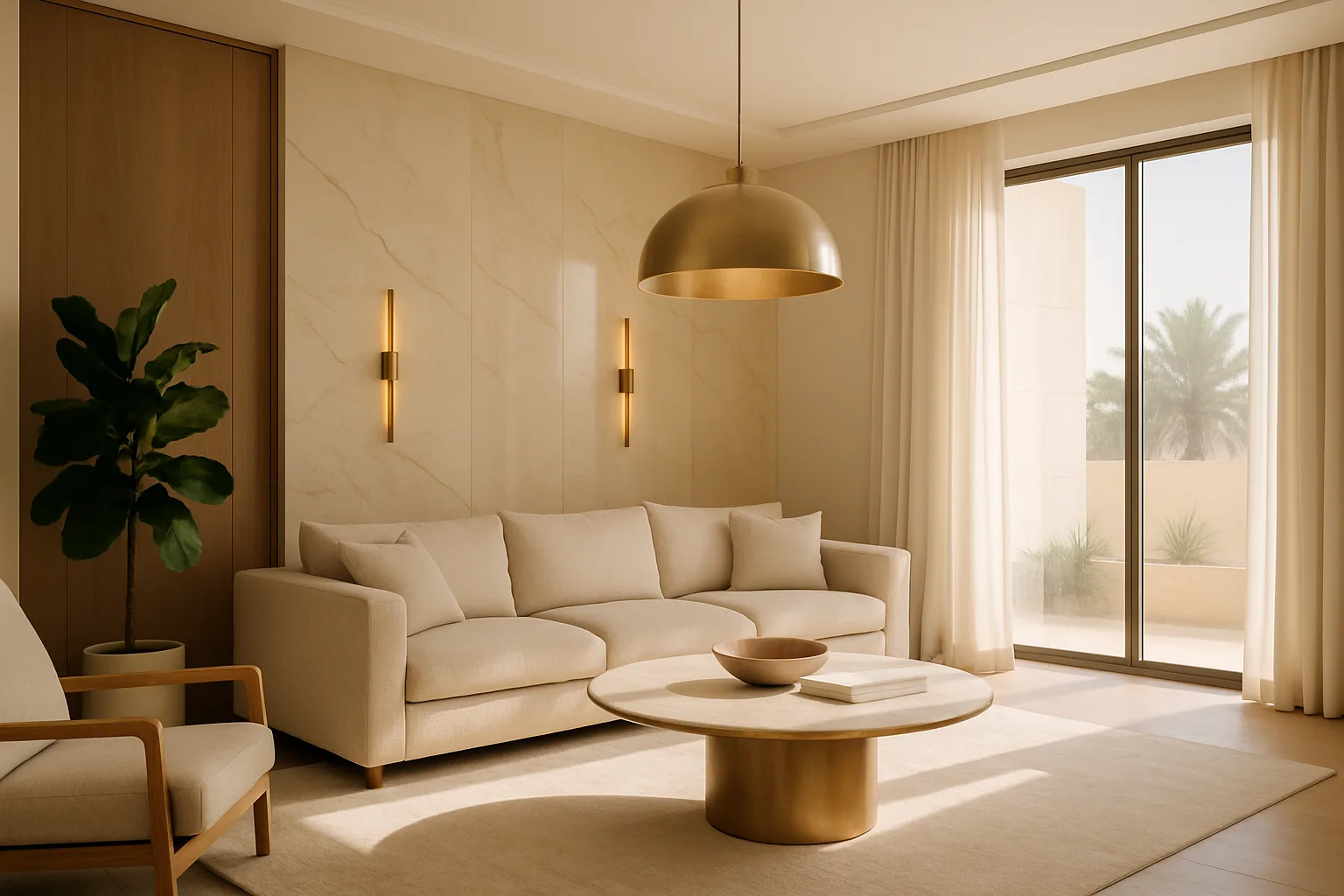
Discover how to blend Scandinavian minimalism with Saudi majlis traditions, climate-smart materials, and quiet luxury for a serene home.
What Is Scandinavian Interior Design and How Does It Fit Saudi Homes?
Scandinavian interior design is a philosophy rooted in simplicity, functionality, and a deep reverence for natural light. Originating in the Nordic countries, it emphasizes pale wood tones, soft neutral palettes, clean lines, and uncluttered spaces that feel airy and restorative. For Saudi homeowners in Khobar, Riyadh, or Dammam, this aesthetic offers a striking counterpoint to the ornate, heavily patterned interiors often seen in traditional Gulf design. The core question—how to bring Scandinavian calm into a home that must also honor majlis traditions and a desert climate—has a clear answer: adapt the principles, not the template. You can achieve the light, serene Scandinavian look by prioritizing warm whites, oak and ash woods, and layered textures, while reimagining the majlis as a space for quiet hospitality rather than visual excess.
In practice, this means selecting furniture with slim profiles and exposed legs to keep sightlines open, using sheer linen curtains to diffuse the intense Saudi sunlight, and grounding rooms with natural wool or sisal rugs that echo Nordic simplicity. The majlis, traditionally a formal reception area with heavy sofas and ornate detailing, can be transformed into a modern gathering space that still respects its social function. Instead of carved wooden panels and gold accents, consider limewash-painted walls in soft greige, a low-profile sofa in ivory bouclé, and floor cushions in muted terracotta or sage—colors drawn from the desert but muted to Scandinavian softness. This approach does not erase cultural identity; it elevates it through restraint.
What makes this adaptation particularly successful in Saudi Arabia is the shared value of hospitality. Scandinavian design is inherently social—think of the Swedish tradition of fika, or the Danish concept of hygge—which aligns beautifully with the Saudi emphasis on welcoming guests. By designing a majlis that feels light and calm rather than imposing, you invite conversation and relaxation. The key is to balance the openness of Scandinavian layouts with the privacy and formality that Saudi culture often requires. For example, you might use a sliding shoji-style screen in pale oak to separate the majlis from family quarters, maintaining both flow and modesty. For more ideas on creating a welcoming yet refined reception space, explore our guide on majlis design.
Climate is another critical factor. Scandinavian design relies on abundant daylight, but in Saudi Arabia, that light can be harsh and glaring. The solution lies in layered window treatments: a sheer white linen layer to diffuse light, paired with blackout roller blinds in a warm oat tone for evening privacy and heat control. Similarly, while Nordic homes use thick wool textiles for warmth, Saudi homes need breathable fabrics that manage humidity and dust. Choose cotton, bamboo, and lightweight wool blends that keep rooms cool without sacrificing the cozy, layered look. This climate-smart approach ensures that your Scandinavian-inspired interiors remain comfortable year-round, from the humid summers of the Eastern Province to the cooler winter evenings.
Ultimately, Scandinavian interior design in Saudi Arabia is not about copying a Pinterest board—it is about curating a lifestyle of intentional simplicity. By focusing on quality over quantity, natural materials over synthetic, and light over shadow, you create a home that feels both globally sophisticated and deeply personal. Whether you are renovating a villa in Al Khobar or an apartment in Riyadh, the principles of Scandinavian design offer a timeless foundation that can be tailored to your family’s rhythms and your cultural heritage. If you are considering a full renovation, our residential design guide for Khobar provides a comprehensive overview of the process.
How to Adapt Scandinavian Minimalism for Your Majlis Without Losing Warmth
The majlis is the heart of Saudi hospitality, and adapting Scandinavian minimalism to this space requires a thoughtful balance between restraint and welcome. Begin by rethinking the seating arrangement. Traditional majlis sofas are often massive, L-shaped configurations that dominate the room. Instead, opt for modular sofas in light gray or oatmeal linen, arranged to encourage face-to-face conversation rather than a fixed, formal layout. Complement these with a pair of sculptural armchairs in a warm camel leather—a nod to both Nordic craftsmanship and Arabian heritage. This mix of materials—soft fabric and supple leather—adds depth without visual clutter. For detailed advice on configuring your seating, see our guide on majlis sofa arrangement.
Color is your most powerful tool in creating a warm Scandinavian majlis. Start with a base of warm white or greige on the walls, then layer in earthy tones inspired by the Saudi landscape: sand, clay, and soft olive. These hues echo the Nordic love of nature while feeling grounded in the region. Introduce contrast with a single statement piece, such as a handwoven rug in a subtle geometric pattern using natural dyes. Avoid stark black or pure white, which can feel cold and clinical; instead, use charcoal sparingly in accessories like ceramic vases or throw pillows to anchor the space.
Lighting is where Scandinavian design truly shines, and in a majlis, it must serve dual purposes: bright and welcoming for gatherings, soft and intimate for evening conversations. Install a central pendant light in matte black or brushed brass with a linen shade to diffuse warm light downward. Add wall sconces at eye level to create pools of light that define seating areas, and place floor lamps with dimmers in corners to adjust the mood. In Saudi homes, where majlis are often used late into the night, layered lighting is essential. Consider a dimmable system that allows you to transition from bright social hours to a cozy, hygge-inspired glow.
Texture is the secret to preventing minimalism from feeling sterile. In a Scandinavian majlis, layer a chunky knit throw over the sofa, place a sheepskin or faux-sheepskin rug under the coffee table, and use cushions in varied weaves—bouclé, velvet, and flat-weave linen. These tactile elements invite guests to touch and settle in, creating the warmth that is so central to Saudi hospitality. For the coffee table, choose a light oak piece with rounded edges, styled with a ceramic tray holding dates and Arabic coffee cups—a subtle nod to tradition that feels intentional, not forced. By blending these elements, you create a majlis that is both minimalist and inviting, a space where Scandinavian calm meets Arabian generosity.
Which Materials and Woods Work Best for a Scandinavian Saudi Home?
Material selection is the backbone of Scandinavian interior design, and in Saudi Arabia, it must also respond to the climate and the local availability of resources. Light woods are the hallmark of Nordic style—think pale oak, ash, and birch—and these are readily available in Saudi Arabia through specialty importers. For flooring, wide-plank oak in a matte, white-oiled finish reflects light and makes rooms feel larger, a welcome quality in both villas and apartments. If solid wood is beyond budget, consider oak veneer or engineered wood with a similar pale tone, which offers durability against humidity and temperature fluctuations. Avoid dark woods like walnut or mahogany, which can weigh down the airy Scandinavian aesthetic.
Stone and marble play a significant role in Saudi interiors, and they can coexist beautifully with Scandinavian principles when chosen carefully. Instead of the highly veined, dramatic marbles popular in traditional Gulf design, opt for honed, matte finishes in soft whites, warm grays, or subtle beige. Carrara or Calacatta marble with fine, understated veining works well for a kitchen island or a bathroom vanity, providing a luxurious yet understated focal point. For floors in high-traffic areas like entryways or majlis, consider large-format porcelain tiles that mimic limestone or travertine—these are cooler underfoot and easier to maintain in dusty conditions, while still offering the natural, earthy feel that Scandinavian design prizes. Our guide on choosing stone and marble for Saudi homes offers deeper insights into material selection.
Textiles are equally important, and here you must balance Nordic wool traditions with Saudi practicality. Wool rugs are excellent for sound absorption and warmth, but in the Eastern Province’s humidity, they can trap moisture. Instead, look for flat-weave wool or wool-blend rugs with a low pile that dry quickly and resist dust mites. Jute and sisal are also excellent choices, adding a natural, textural layer that echoes Scandinavian simplicity. For upholstery, performance fabrics like solution-dyed acrylic or polyester blends in linen textures offer the look of natural linen without the wrinkling and staining risks—a wise investment for homes with children or frequent entertaining.
Finally, consider the role of metal and glass. Scandinavian design uses these sparingly, but they add essential contrast. Brushed brass or unlacquered bronze fixtures—faucets, cabinet handles, and light fittings—bring a subtle warmth that complements pale woods. Glass, whether in table lamps, vases, or room dividers, helps maintain visual lightness. In a Saudi home, where dust is a constant companion, choose glass with a matte or textured finish that hides fingerprints and smudges. By selecting materials that are both beautiful and resilient, you ensure that your Scandinavian-inspired interiors remain pristine with minimal effort, allowing you to enjoy the calm they create rather than constantly maintaining them.
Lighting Strategies for Bright, Airy Interiors in Saudi Arabia’s Climate
Lighting is the soul of Scandinavian interior design, and in Saudi Arabia, it requires a strategic approach to manage the intense sun while creating the soft, diffused glow that defines Nordic spaces. The first principle is to maximize natural light during the cooler hours of the day, but filter it to prevent glare and heat buildup. Install sheer, floor-to-ceiling curtains in a white or light linen blend that can be drawn to soften direct sunlight. Pair these with adjustable blackout blinds in a warm greige or sand tone for the hottest midday hours or for privacy in the evening. This dual-layer system allows you to control the light like a dimmer switch, transitioning from bright and airy to softly intimate as the sun moves across the sky.
Artificial lighting should be layered to mimic the natural light cycle. Begin with ambient lighting—flush-mount ceiling fixtures or recessed downlights with a warm color temperature (2700K to 3000K) to avoid the harsh, blue-toned light that can make a room feel clinical. In Scandinavian design, the goal is to create a golden, candle-like glow, so choose LED bulbs with a high color rendering index (CRI) of 90 or above to ensure that wood tones and fabrics appear rich and true. Add task lighting in reading corners or above kitchen counters, using adjustable floor lamps or under-cabinet strips that provide focused illumination without overwhelming the space.
Accent lighting is where you can introduce sculptural elements that double as art. In a Scandinavian Saudi home, consider a statement pendant light in the entryway or above the dining table—a simple, geometric design in matte black or white with a linen shade. Wall sconces with a soft, upward glow can highlight textured walls or artwork, while floor lamps with tripod bases in oak or brass add a touch of mid-century Nordic charm. For the majlis, install dimmable sconces on either side of a central sofa arrangement to create a cozy, intimate atmosphere for evening gatherings, and use a large, low-hanging pendant over the coffee table to anchor the seating area.
One of the most effective lighting strategies is to use mirrors strategically to bounce light deeper into the room. Place a large, frameless mirror opposite a window to reflect natural light, or lean a tall, arched mirror against a wall to create the illusion of more space. In Saudi homes, where windows may be limited due to privacy or architectural constraints, mirrors become essential tools for brightening interiors. Additionally, consider using light-colored, matte finishes on walls and ceilings—such as limewash or microcement in white or pale beige—which reflect light more effectively than glossy or dark surfaces. By combining these techniques, you can achieve the bright, airy feel of a Scandinavian summer home, even in the heart of Khobar’s urban landscape.
How to Create a Calm, Quiet Luxury Aesthetic That Respects Saudi Traditions
Quiet luxury is a design philosophy that prioritizes understated elegance over ostentatious display, and it aligns perfectly with both Scandinavian minimalism and Saudi cultural values of modesty and refinement. In a Saudi home, this translates to spaces that feel serene and expensive without shouting for attention. The key is to invest in high-quality, timeless pieces rather than trendy, flashy ones. For example, choose a sofa with a perfectly tailored, loose-fit cover in a natural linen or wool blend, rather than a heavily tufted, ornate design. The craftsmanship is evident in the details—the stitching, the proportions, the way the fabric drapes—not in logos or embellishments.
Color palettes for quiet luxury are restrained and tonal. Think of a monochromatic scheme in warm whites, creams, and greiges, punctuated by subtle variations in texture rather than color. In a Saudi majlis, this might mean walls in a soft, limewashed white, a wool rug in a slightly deeper ivory, and sofas in a textured oatmeal fabric. Add depth with accessories in muted earth tones—a ceramic vase in sand, a throw in sage green, or a wooden bowl in pale oak. These elements create a layered, sophisticated look that feels both contemporary and timeless, and they honor the Saudi tradition of understated elegance in hospitality.
Cultural sensitivity is crucial when adapting Scandinavian design to Saudi homes. While Nordic interiors often feature open-plan layouts and a lack of visual barriers, Saudi homes require more defined spaces, particularly for gender-segregated gatherings or family privacy. Respect this by using sliding doors, folding screens, or half-walls in light wood or frosted glass to create flexible divisions without sacrificing the open, airy feel. Similarly, while Scandinavian design often celebrates bare floors, Saudi homes may require rugs for comfort and cultural practice—so choose large, flat-weave rugs that define seating areas while maintaining a clean, minimal look. For more on this aesthetic, explore our article on Japandi style for Saudi homes, which shares similar principles of calm and warmth.
Finally, quiet luxury is about the experience of the space, not just its appearance. Incorporate elements that appeal to all the senses: a subtle scent of oud or amber from a diffuser, the soft sound of a water feature in a courtyard, or the tactile pleasure of a handwoven wool throw. These details create a sense of calm and well-being that is the ultimate luxury. In Saudi Arabia, where hospitality is a deeply ingrained value, a home that makes guests feel instantly at ease is the highest compliment. By blending Scandinavian principles with Saudi traditions, you create a space that is both globally inspired and deeply local—a sanctuary of light and calm that reflects your personal taste and cultural heritage.
Practical Steps to Start Your Scandinavian-Inspired Renovation in Khobar
Embarking on a renovation or new build is an exciting journey, and bringing Scandinavian interior design to your Saudi home requires careful planning and the right partners. The first step is to define your vision clearly. Create a mood board that captures the light, calm aesthetic you desire, using images from Nordic interiors but also noting how you will adapt them for your space—for example, how you will handle the majlis or the need for privacy. This board will serve as your guide throughout the process, helping you make consistent decisions about materials, colors, and furniture. If you are working with an interior designer, share this board early to ensure alignment. Our guide on creating a mood board for your Saudi home can help you get started.
Next, assess your existing space or architectural plans. Scandinavian design thrives on natural light and open sightlines, so consider structural changes that can enhance these qualities. In a Khobar villa, this might mean enlarging windows, adding skylights, or removing non-load-bearing walls to create a more open floor plan. If structural changes are not feasible, focus on surface-level transformations: paint walls in light, reflective colors, replace heavy drapes with sheer linen, and swap dark flooring for pale oak or light stone. These changes can dramatically alter the feel of a room without major construction.
When it comes to sourcing materials and furniture, work with suppliers who understand both Scandinavian aesthetics and Saudi climate conditions. In Khobar, you have access to a range of showrooms and specialty stores that import Nordic furniture and materials. Look for pieces made from solid oak or ash, which are durable and can withstand the region’s humidity if properly sealed. For upholstery, choose performance fabrics that resist fading from strong sunlight and are easy to clean. If you are commissioning bespoke furniture, as many Saudi homeowners do, specify joinery and finishes that align with Scandinavian craftsmanship—clean lines, visible wood grain, and minimal hardware. Our guide to bespoke furniture in Saudi Arabia offers valuable advice on commissioning custom pieces.
Finally, plan your lighting and climate control systems early. Scandinavian design relies on layered lighting, so work with an electrician to install dimmers and multiple circuits that allow you to adjust the ambiance. In Saudi Arabia, air conditioning is a fact of life, but you can integrate it discreetly—choose ceiling cassette units that are flush with the ceiling, or linear diffusers that blend into the architecture. By addressing these technical aspects during the design phase, you avoid costly retrofits later. With careful planning and the right expertise, your Scandinavian-inspired Saudi home will be a haven of light and calm, perfectly suited to your lifestyle and climate.
◈ Key Takeaways
- ✦Start with a warm white or greige base palette and layer in earthy desert tones like sand, clay, and olive to create a Scandinavian feel that suits Saudi Arabia.
- ✦Use light woods such as oak or ash for flooring and furniture, and choose honed, matte marble or stone for a quiet luxury look that is also climate-smart.
- ✦Layer your lighting with dimmable ambient, task, and accent fixtures in warm 2700K–3000K tones to create a soft, inviting glow that adapts from day to night.
- ✦In the majlis, replace heavy, ornate sofas with modular, light-upholstered seating and add textured throws and cushions to maintain warmth and hospitality.
- ✦Work with an interior designer who understands both Scandinavian aesthetics and Saudi cultural needs to ensure your renovation respects traditions while achieving a modern, calm interior.
Frequently Asked Questions
❓ What is Scandinavian interior design?
Scandinavian interior design is a minimalist style originating from Nordic countries, emphasizing functionality, clean lines, and a connection to nature. It uses light colors, natural materials like wood, and maximizes natural light to create calm, airy spaces—perfect for Saudi homes seeking a serene retreat from the desert heat.
❓ What does Scandinavian interior design look like?
Scandinavian interiors feature white or pale walls, light wooden floors, and simple, functional furniture with no clutter. Accents of black, gray, or muted tones add contrast, while plants and cozy textiles like wool throws bring warmth. In Saudi homes, this style often incorporates large windows for light (with sheer curtains for privacy) and natural elements like stone or rattan.
❓ What characterizes Scandinavian interior design?
Key characteristics include minimalism, functionality, and a ‘hygge’ (cozy) atmosphere. It prioritizes natural light, neutral palettes, and sustainable materials. For Saudi homes, this means using light-reflective surfaces to combat heat, and incorporating local touches like Arabic-inspired patterns in a subtle, modern way.
❓ What is modern Scandinavian interior design?
Modern Scandinavian design blends traditional Nordic principles with contemporary trends, such as bold geometric patterns, mixed metals, and smart home technology. It keeps the clean, bright aesthetic but adds personality through statement pieces. In Saudi Arabia, this might include using local materials like travertine or adding a touch of gold for a luxurious feel, while maintaining simplicity.
❓ How can I incorporate Scandinavian design in a Saudi home?
Start by decluttering and painting walls in light, neutral tones like white or beige. Invest in multi-functional furniture (e.g., storage ottomans) and use natural textures like linen and wood. Maximize daylight with sheer curtains, and add indoor plants for freshness. Budget-wise, a basic makeover can cost around 5,000–15,000 SAR, depending on room size and furniture choices.
Ready to Transform Your Space?
Ready to bring Scandinavian light and calm to your Saudi home? Book a consultation with SB Interior Design in Khobar today and let us craft a space that honors your traditions and your taste.
SB Interior Design
Quiet Luxury Interior Design — Khobar, Saudi Arabia