

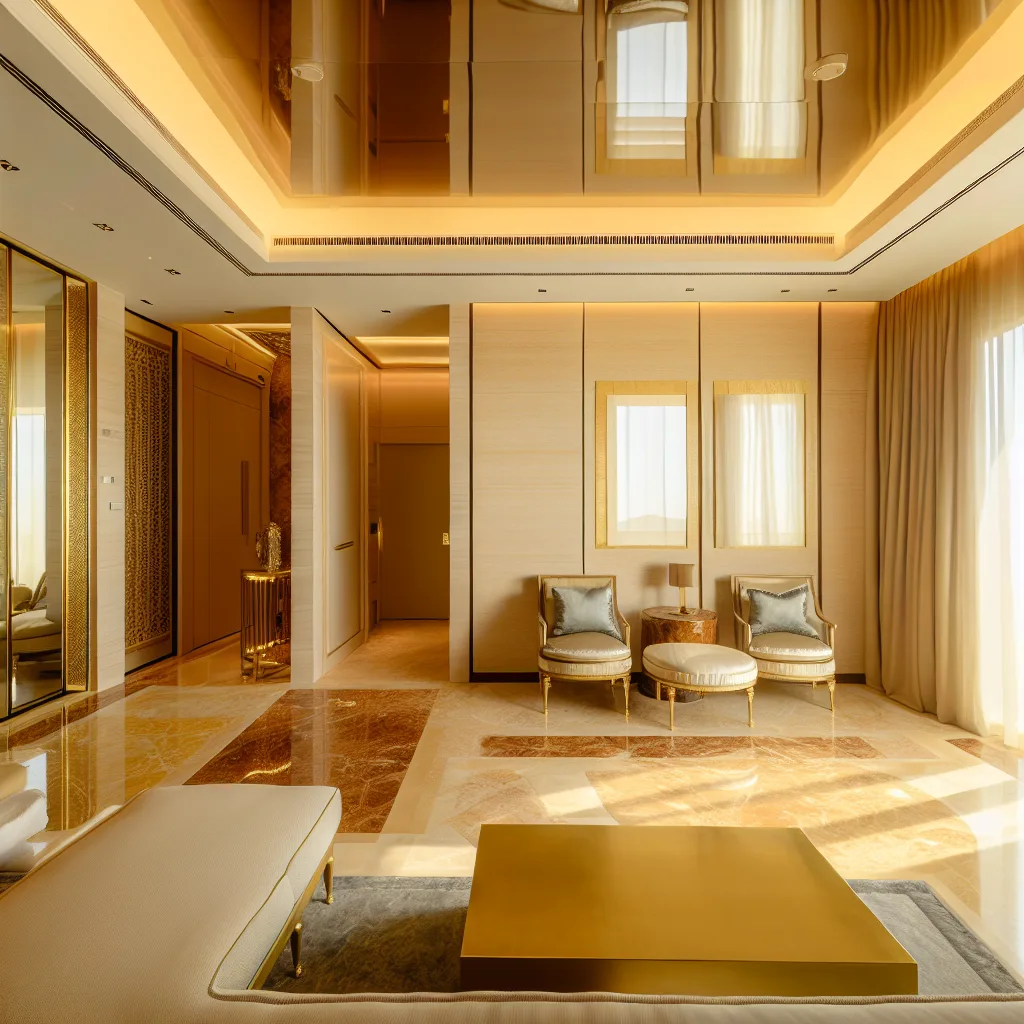
Design a serene, private guest suite for summer visitors that balances cooling materials, quiet luxury, and Saudi hospitality.
Why a Dedicated Guest Suite Matters for Saudi Summer Hospitality
In Saudi Arabia, hospitality is woven into the fabric of daily life. Summer months bring an influx of visitors—family from Jeddah, friends from Dammam, or business associates from Riyadh—all seeking refuge from the heat in your home. Yet, many homeowners in Khobar and the Eastern Province still rely on a spare bedroom doubling as a home office or storage room. This approach, while practical, fails to honor the guest experience. A dedicated guest suite, designed with quiet luxury in mind, transforms a simple stay into a memorable retreat. It signals that you value your visitors’ comfort and privacy, a gesture deeply appreciated in our culture.
An interior designer Riyadh often emphasizes that a guest suite should feel like a five-star hotel wing within your home. This means more than just a bed and a closet. It requires thoughtful zoning: a sleeping area, a private sitting nook, and an en-suite bathroom. In Saudi summers, when temperatures soar past 45°C, the suite must also offer a cool sanctuary. This begins with orientation—positioning the suite on the north or east side of the villa to minimize afternoon sun exposure. In new builds, this is a simple adjustment; in renovations, strategic shading and window treatments can achieve similar results.
Beyond temperature, privacy is paramount. Saudi guests often value discretion, especially when staying for extended periods. A suite with a separate entrance from the main living areas, or at least a soundproofed door, allows guests to come and go without disrupting family routines. This layout also respects the modesty preferences common in our culture. By investing in a dedicated guest suite, you elevate your home’s functionality and demonstrate a commitment to gracious living—a hallmark of quiet luxury.
Finally, consider the emotional impact. A well-designed guest suite makes visitors feel anticipated and cared for. Small touches like a welcome tray with dates and Arabic coffee, a fresh flower arrangement, and a curated bookshelf create an immediate sense of belonging. In a region where hospitality is legendary, your home becomes a testament to that tradition, blending modern comfort with timeless warmth.
Cooling Materials and Color Palettes for Saudi Summers
When designing a summer guest suite in Saudi Arabia, material selection is not merely aesthetic—it is functional. The intense heat demands surfaces that feel cool to the touch and fabrics that breathe. Marble is a natural choice for flooring in this climate. Opt for light-toned varieties such as Bianco Carrara or Statuario, which reflect sunlight and remain cool underfoot. In Khobar, where humidity can be high, honed marble offers a matte finish that resists slipping and adds a subtle, understated elegance. Pair it with a soft wool or silk-blend rug in the seating area to introduce warmth without compromising the cooling effect.
Walls should be treated with breathable finishes. Limewash or clay plaster not only regulate indoor humidity but also create a soft, textured backdrop that feels organic and serene. These finishes are increasingly available from specialty suppliers in Riyadh and Dammam. For color, think of the desert at dawn: pale sand, soft blush, and dove gray. These hues evoke calm and visually lower the temperature of the room. Avoid dark, heavy colors that absorb heat and feel oppressive during summer months. An interior designer Riyadh might recommend a feature wall in a muted terracotta or warm beige to anchor the space without overwhelming it.
Fabric choices are equally critical. Linen is the undisputed king of summer textiles. Use it for bed linens, curtains, and upholstery. Its natural fibers wick moisture and allow air circulation, keeping guests cool during the night. For a touch of quiet luxury, layer linen with cotton percale sheets and a lightweight cashmere throw for cooler air-conditioned evenings. Curtains should be double-layered: a sheer linen panel for diffused light during the day and a blackout velvet or cotton lining for complete darkness at night. In Saudi summers, when the sun rises early and sets late, blackout curtains are essential for uninterrupted sleep.
Don’t overlook window treatments. Motorized roller blinds with a reflective backing can reduce solar heat gain by up to 80%. These can be programmed to close during peak afternoon hours and open in the early morning, maintaining a consistent temperature. Combine them with wooden shutters for a classic, resort-like aesthetic. The goal is to create a microclimate within the suite—a cool, quiet haven where guests can escape the relentless sun. Every material should serve both beauty and function, embodying the principle of quiet luxury: nothing excessive, everything intentional.
Layout and Zoning for Privacy and Comfort
The layout of a guest suite should prioritize flow and privacy. In Saudi homes, where extended family visits are common, the suite must function as a self-contained unit. Ideally, it includes a bedroom, a small sitting area, an en-suite bathroom, and a mini-bar or kitchenette. This allows guests to maintain their own schedule without relying on the main kitchen or living spaces. For new builds, allocate at least 40–50 square meters for the suite. In renovations, consider converting an adjacent study or dressing room into a sitting nook.
Zoning is achieved through furniture placement and architectural cues. Use a low-profile console table or a half-wall to separate the sleeping area from the sitting area. A chaise lounge or a pair of armchairs with a side table creates an intimate conversation zone. In the bedroom, position the bed so that it faces the door but is not directly in line with it—this respects the guest’s privacy upon entry. A canopy bed with sheer linen drapes adds a sense of enclosure and romance, while also serving as a mosquito net in coastal areas like Khobar.
The bathroom should feel like a spa. A walk-in shower with a rain showerhead, a freestanding bathtub (if space allows), and dual vanities elevate the experience. Use large-format porcelain tiles that mimic natural stone for a seamless look. Incorporate a heated towel rack for the rare cool winter nights, but ensure the bathroom has adequate ventilation to prevent humidity buildup. In Saudi summers, a well-ventilated bathroom prevents mold and keeps the space fresh. An interior designer Riyadh often specifies a skylight or a high window to bring in natural light without compromising privacy.
Storage is another key consideration. Guests should have ample space to unpack and feel settled. Include a dresser with deep drawers, a closet with both hanging and shelving options, and a luggage rack. A full-length mirror and a valet stand add convenience. For longer stays, a small desk with a lamp and power outlets allows guests to work or journal. The goal is to anticipate every need without cluttering the space. Quiet luxury means providing everything a guest could want, yet making it feel effortless and uncluttered.
Lighting Design for Day and Night Ambiance
Lighting in a guest suite must be versatile, transitioning from bright and airy during the day to soft and intimate at night. In Saudi summers, natural light is abundant but harsh. Layer your lighting scheme to include ambient, task, and accent lighting. Start with a central flush-mount or semi-flush fixture in the bedroom, preferably one with a dimmer. Choose a fixture with a warm brass or brushed nickel finish to complement the cool marble and linen textures. For the sitting area, a floor lamp with a linen shade provides soft, diffused light for reading.
Task lighting is essential near the bed. Wall-mounted sconces with adjustable arms free up nightstand space and allow each guest to control their own light. Position them at 120–130 cm from the floor for optimal reading comfort. In the bathroom, install LED strip lighting under the vanity and around the mirror to eliminate shadows. Use a color temperature of 2700–3000K for a warm, flattering glow. Avoid harsh overhead lights that can feel clinical. An interior designer Riyadh often recommends a statement chandelier or pendant in the bathroom for a touch of drama, but ensure it is rated for damp locations.
Accent lighting highlights architectural features and artwork. A picture light over a curated piece of Islamic geometric art or a photograph of the Empty Quarter adds depth and personality. For a subtle nightlight effect, install baseboard lighting or a small lamp on a timer. This helps guests navigate the suite without turning on bright lights. In the sitting area, a dimmable table lamp on the console creates a cozy corner for evening conversations.
Finally, consider smart controls. A single remote or wall panel that controls all lights, curtains, and the thermostat simplifies the guest experience. Program a “welcome” scene that turns on soft lighting and closes curtains when guests enter. A “goodnight” scene dims all lights to 10% and locks the door. These small touches elevate the suite from ordinary to exceptional, embodying the quiet luxury that discerning homeowners in Riyadh and Khobar seek.
Furniture and Decor: Curating a Timeless Summer Aesthetic
Furniture in a quiet luxury guest suite should be both beautiful and durable. Choose pieces with clean lines and natural materials. A bed frame in solid oak or walnut with a low-profile headboard creates a grounded, serene focal point. Upholster the headboard in a textured linen or velvet in a neutral tone like ivory or stone. Nightstands should be simple—perhaps a floating shelf or a small wooden cabinet with a single drawer. Avoid bulky furniture that crowds the room.
For the sitting area, select a pair of armchairs or a small sofa in a performance fabric that withstands humidity and light use. Bouclé or a cotton-linen blend works well. Add a coffee table in marble or travertine with a sculptural base. A side table in rattan or cane introduces natural texture and echoes the resort aesthetic. Decorate with a few carefully chosen objects: a ceramic vase, a stack of art books, and a tray for drinks. Remember, quiet luxury is about restraint—each piece should earn its place.
Art and accessories should reflect the Saudi landscape and culture. A large-scale photograph of the AlUla desert or a contemporary abstract inspired by the Red Sea coast adds a sense of place. Avoid generic prints. Invest in original works from local artists or limited-edition pieces. A woven wall hanging in natural fibers adds warmth and acoustic comfort. For greenery, choose low-maintenance plants like snake plants or ZZ plants that thrive in air-conditioned spaces. A small olive tree in a ceramic pot brings a touch of the Mediterranean to the suite.
Textiles complete the look. Layer the bed with a linen duvet cover, a lightweight quilt, and an array of pillows in varying sizes and textures. A chunky knit throw at the foot of the bed invites relaxation. In the bathroom, use organic cotton towels in a neutral palette and a bamboo bath mat. Scent the space subtly with a reed diffuser in oud or amber—fragrances that resonate with Saudi sensibilities. Every detail should whisper comfort and quality, never shout for attention.
Integrating Local Craftsmanship and Cultural Touches
A guest suite in Saudi Arabia should celebrate local heritage without feeling like a museum. Incorporate elements of traditional craftsmanship in a modern way. For example, a hand-carved wooden screen or mashrabiya panel can be used as a room divider or a decorative wall feature. These screens provide privacy while allowing light to filter through, creating beautiful shadow patterns. Source them from artisans in Al-Ahsa or Jeddah who specialize in this centuries-old craft.
Textiles offer another opportunity to honor local traditions. A handwoven Sadu throw or cushion covers in geometric patterns add color and texture. Sadu weaving, a UNESCO-recognized craft, is particularly meaningful and supports local women artisans. Use these pieces sparingly—one throw on the armchair or a pair of cushions on the bed—to avoid overwhelming the space. An interior designer Riyadh might also recommend a custom rug inspired by traditional Bedouin motifs but rendered in a contemporary palette of cream, charcoal, and rust.
Incorporate Arabic calligraphy in a subtle way. A single line of poetry or a meaningful phrase carved into a wooden headboard or etched into a mirror adds a personal, cultural layer. Keep it minimal—a few words in a modern script rather than elaborate flourishes. Similarly, a small collection of antique brass or copper coffee pots displayed on a shelf nods to Saudi hospitality without dominating the decor.
Finally, consider the scent and sound of the suite. A small oud burner or a diffuser with a woody, resinous fragrance creates an immediate sensory connection to the region. A Bluetooth speaker discreetly placed allows guests to play Quran recitations or their own music. These intangible elements complete the experience, making the suite feel authentically Saudi while remaining universally luxurious.
Practical Considerations for Renovations and New Builds
Whether you are renovating an existing room or planning a new build, several practical steps ensure your guest suite meets the highest standards. For renovations, start by assessing the room’s orientation and insulation. Add insulation to exterior walls and upgrade windows to double-glazed, low-E glass. This reduces heat transfer and lowers energy costs. In Khobar, where humidity is a factor, ensure the suite has a dedicated air conditioning unit with a dehumidifier setting. Split units are often more effective than central systems for individual rooms.
For new builds, work with your architect to position the guest suite away from noisy areas like the kitchen or children’s playroom. Include a separate entrance if possible, or at least a corridor that buffers sound. Plan for ample electrical outlets, including USB ports, and pre-wire for smart home controls. A small safe in the closet is a thoughtful addition for guests’ valuables. In both renovations and new builds, invest in quality plumbing for the bathroom—guests should never experience low water pressure or temperature fluctuations.
Budget wisely. Quiet luxury does not require the most expensive materials, but it does demand quality. Prioritize the bed and mattress—a high-quality mattress with a medium-firm feel suits most sleepers. Invest in good lighting and window treatments, as these have the greatest impact on comfort. Save on decorative accessories by sourcing from local markets or online retailers. An interior designer Riyadh can help you allocate your budget effectively, ensuring every riyal enhances the guest experience.
Finally, test the suite before your first guests arrive. Spend a night in it yourself. Check the temperature, the noise levels, and the functionality of every switch and fixture. Adjust the lighting scenes and the thermostat settings. This personal trial ensures that when your guests arrive, everything works seamlessly. A guest suite designed with care and attention to detail is one of the most meaningful investments you can make in your home—a space that embodies the quiet luxury of Saudi hospitality.
◈ Key Takeaways
- ✦Position the guest suite on the north or east side of the villa to minimize afternoon sun exposure and keep the space naturally cooler.
- ✦Use light-toned marble, limewash walls, and linen fabrics to create a cool, breathable environment that feels luxurious and functional.
- ✦Zone the suite into sleeping, sitting, and bathroom areas with furniture placement and architectural cues to ensure privacy and flow.
- ✦Layer lighting with dimmable ambient, task, and accent fixtures, and include smart controls for effortless day-to-night transitions.
- ✦Incorporate local craftsmanship like Sadu textiles or mashrabiya screens to celebrate Saudi heritage while maintaining a modern, understated aesthetic.
Frequently Asked Questions
❓ How much does an interior designer in Riyadh charge for a guest suite?
Interior designers in Riyadh typically charge between 200 and 500 SAR per hour or a flat fee of 5,000 to 20,000 SAR for a guest suite project, depending on complexity and materials. For a quiet luxury look, expect higher costs for premium finishes and custom furniture.
❓ What is the best way to find a reliable interior designer in Riyadh?
Start by checking portfolios on Instagram or Houzz, and ask for client references. Many top designers in Riyadh are members of the Saudi Society of Interior Designers, which ensures professionalism and local expertise.
❓ Can an interior designer in Riyadh help with summer guest suite decor?
Yes, a skilled interior designer in Riyadh can create a cool, inviting guest suite using light colors, breathable fabrics, and strategic shading. They often incorporate local elements like mashrabiya screens or desert-inspired textures for a unique summer retreat.
❓ How long does it take to design a guest suite with an interior designer in Riyadh?
A typical guest suite project takes 4 to 8 weeks from initial consultation to completion, depending on the scope and material availability. Custom furniture or imported items may extend the timeline.
❓ Why should I hire an interior designer in Riyadh for a quiet luxury guest suite?
A local interior designer understands Riyadh’s climate, culture, and supply chain, ensuring your guest suite is both stylish and functional. They can source unique pieces from local artisans and avoid costly mistakes, making the investment worthwhile.
Ready to Transform Your Space?
Ready to design a guest suite that embodies quiet luxury? Contact SB Interior Design for a consultation tailored to your Khobar or Riyadh home.
SB Interior Design
Quiet Luxury Interior Design — Khobar, Saudi Arabia