

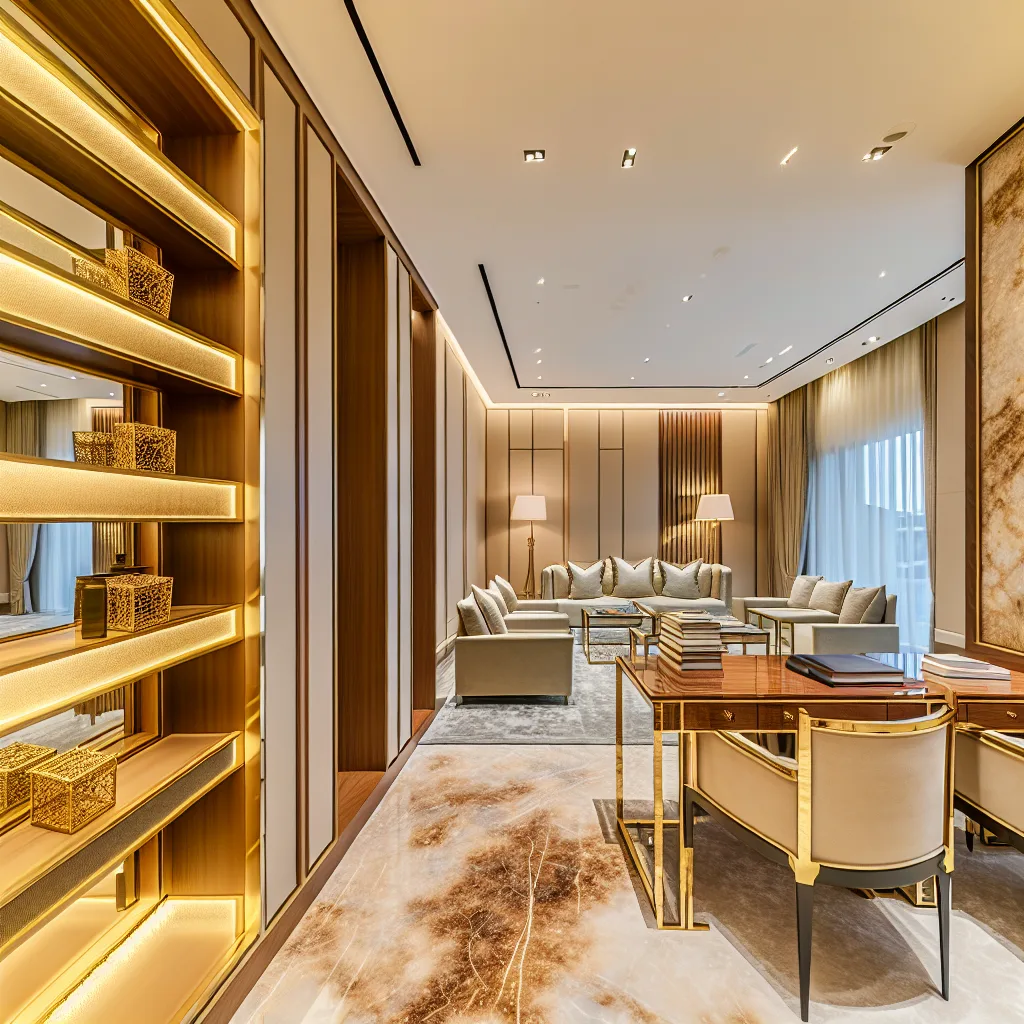
Discover how to create a serene home library with modern Arabic interior design, blending quiet luxury with cultural heritage for Saudi residences.
The Essence of Quiet Luxury in a Modern Arabic Interior Design Home Library
In the heart of Khobar, where the Arabian Gulf meets the desert horizon, the concept of a home library has evolved far beyond a simple room of bookshelves. Today, it stands as a sanctuary—a quiet luxury retreat that reflects both personal intellect and cultural heritage. For Saudi homeowners, integrating modern Arabic interior design services into this space creates a dialogue between tradition and contemporary living, where every element whispers sophistication rather than shouts opulence. The quiet luxury movement, gaining momentum across the Eastern Province and Riyadh, prioritizes craftsmanship, material integrity, and serene atmospheres over ostentatious display. This philosophy aligns perfectly with the intimate nature of a library, where the focus should remain on the joy of reading and contemplation.
A modern Arabic interior design approach to a home library begins with a deep respect for the region’s architectural legacy. Think of the intricate geometric patterns found in traditional Najdi architecture or the delicate mashrabiya screens that once filtered light in historic Jeddah homes. These elements are not replicated but reinterpreted through a contemporary lens—perhaps as a laser-cut brass room divider or a custom bookshelf that echoes the rhythm of Islamic star patterns. The goal is to create a space that feels rooted in its place yet utterly current. In Saudi Arabia, where family and hospitality are paramount, the library also serves as a quiet gathering spot for intimate conversations or solitary reading sessions, making its design a thoughtful balance between openness and privacy.
The color palette for such a library should evoke calm and depth. Consider warm neutrals like sand, ivory, and taupe, punctuated by richer tones of deep indigo, olive green, or burnt sienna—colors that reference the landscape and traditional textiles. These hues provide a backdrop that allows the books and art to take center stage. Lighting, as always, is crucial: layered illumination from a central chandelier, wall sconces, and task lamps creates a flexible environment that shifts from bright and inviting during the day to intimate and cozy in the evening. By grounding the design in these principles, you create a library that is not just a room but an experience—a true quiet luxury retreat tailored for the Saudi home.
To achieve this, the selection of materials must be deliberate. Marble, a staple in Saudi luxury interiors, can be used sparingly—perhaps as a fireplace surround or a small side table—to add a touch of elegance without overwhelming the space. Wood, on the other hand, should be the star. Rich walnut, warm oak, or even ebonized finishes bring texture and warmth, essential for a room dedicated to comfort. The interplay of these materials, guided by the principles of modern Arabic interior design, ensures the library feels both luxurious and lived-in, a place where time slows down and the mind can wander freely among the pages of a cherished book.
Selecting the Perfect Location and Layout for Your Saudi Home Library
In Saudi villas and compounds, the home library is often an overlooked opportunity. Many homeowners default to a spare bedroom or a corner of the living room, but with thoughtful planning, you can carve out a dedicated space that becomes the soul of your home. The ideal location is a room with natural light but without direct glare—a north-facing room in a Khobar villa, for instance, offers consistent, soft illumination throughout the day. If you’re building new, consider positioning the library away from high-traffic areas like the majlis or kitchen to ensure acoustic privacy. For existing homes, a converted study or even a wide hallway can be transformed into a reading nook with built-in shelving and a comfortable armchair.
The layout should prioritize flow and function. Start by assessing how you intend to use the space: Is it primarily for solitary reading, or will it host small book clubs or study sessions? For a quiet luxury home library, a central seating area with a low table for coffee or tea creates a focal point, while perimeter shelving maximizes storage. In a modern Arabic interior design context, symmetry is often valued—consider flanking a fireplace or a large window with matching bookshelves and seating. This balance creates a sense of order and tranquility, essential for a retreat. If the room is large, you can incorporate a mezzanine level or a raised platform for additional seating, echoing the layered spaces found in traditional Arabic architecture.
For smaller spaces, such as a study in a Riyadh apartment, consider a linear layout with floor-to-ceiling shelving on one wall and a compact desk or reading chair opposite. The key is to avoid clutter: every piece of furniture should serve a purpose. A built-in window seat with storage underneath is both practical and charming, offering a cozy spot for reading while hiding away less-used items. In Saudi homes, where air conditioning is a necessity, ensure that the layout doesn’t block vents or create dead zones. Instead, work with your designer to integrate HVAC discreetly, perhaps behind a decorative screen or within a soffit. The result should be a room that feels spacious and airy, even when filled with books and furniture.
Finally, consider the relationship between the library and the rest of your home. In a villa, a library adjacent to a private courtyard or garden can extend the sense of serenity outdoors. Sliding glass doors or a large window overlooking a landscaped area bring the outside in, a nod to the biophilic trends popular in modern Arabic interior design. For homes in compounds, where outdoor space is often shared, a library with a balcony or terrace offers a private escape. By carefully selecting the location and layout, you ensure that your home library becomes a seamless extension of your lifestyle—a quiet luxury haven that enhances daily life in the Eastern Province.
Materiality and Craftsmanship: The Foundation of Modern Arabic Interior Design
In quiet luxury design, materials are not just surfaces—they are the narrative of the space. For a home library in Saudi Arabia, the choice of wood, stone, and textiles defines the room’s character and longevity. Begin with the bookshelves: custom-built joinery in solid walnut or oak offers durability and a timeless aesthetic. Avoid particleboard or veneers, which can warp in the region’s humidity. Instead, opt for solid wood with a hand-rubbed oil finish that deepens with age. In a modern Arabic interior design context, consider incorporating geometric motifs into the shelving—perhaps a carved panel or a brass inlay that echoes traditional patterns. This subtle detail adds cultural resonance without overwhelming the room.
Marble, a hallmark of Saudi luxury, should be used judiciously. A fireplace surround in Calacatta or Statuario marble creates a stunning focal point, especially when paired with a simple wood mantel. For flooring, wide-plank oak in a matte finish provides warmth underfoot, while a wool or silk rug in a neutral tone defines the seating area. The rug can feature a subtle arabesque pattern, tying the design back to its roots. In Khobar, where coastal humidity can affect materials, ensure that all wood is properly sealed and that marble is treated to resist staining. Working with a local craftsman who understands these conditions is essential for achieving a lasting result.
Textiles play a crucial role in softening the space and adding layers of comfort. For seating, choose performance fabrics in linen, velvet, or wool blends that can withstand daily use. A pair of armchairs upholstered in a deep emerald velvet, for instance, adds a touch of luxury while inviting relaxation. Curtains should be floor-to-ceiling in a heavy linen or silk blend, providing both light control and acoustic insulation. In a modern Arabic interior design library, consider adding a few embroidered cushions or a throw in traditional Sadu weaving—a nod to Bedouin heritage that adds texture and story. These elements, when combined with thoughtful craftsmanship, create a space that feels both luxurious and deeply personal.
Lighting fixtures are another opportunity to showcase materiality. A brass or bronze chandelier with hand-blown glass shades adds a sculptural element, while wall sconces in a matte black finish provide task lighting for reading nooks. In Saudi homes, where evening gatherings often extend late, dimmable lighting is essential for transitioning from bright to intimate. Consider a mix of ambient, task, and accent lighting: recessed ceiling lights for overall illumination, a reading lamp by each seat, and picture lights to highlight artwork or rare books. The interplay of light on different materials—the glow of brass, the warmth of wood, the coolness of marble—creates a dynamic environment that evolves throughout the day.
Furniture Selection: Balancing Comfort and Elegance in Your Library
The furniture in a quiet luxury home library must prioritize comfort without sacrificing style. Start with the seating: a deep, upholstered armchair with a high back and plush cushions invites hours of reading. For a modern Arabic interior design aesthetic, choose a chair with clean lines and a subtle nod to tradition—perhaps turned wooden legs or a brass nailhead trim. A matching ottoman or footstool adds versatility, allowing you to stretch out or use it as a side table. In larger libraries, a sofa or chaise lounge provides an alternative seating option, ideal for napping or browsing through books. The key is to create multiple seating zones that cater to different activities, from focused reading to casual relaxation.
Tables and surfaces should be both functional and beautiful. A large central table, perhaps in marble or wood, serves as a display surface for coffee table books, a vase of fresh flowers, or a tray with dates and Arabic coffee. In a Saudi home, this table can also host family heirlooms or contemporary art, bridging past and present. Side tables next to each seat should be large enough for a book and a cup of tea, with a drawer or shelf for storing reading glasses or a notebook. For a cohesive look, choose tables with similar finishes—brass or bronze accents tie the room together, while a mix of materials adds visual interest.
Storage is the backbone of any library, and in a quiet luxury design, it should be both abundant and discreet. Floor-to-ceiling bookshelves with adjustable shelves accommodate books of all sizes, while closed cabinets below hide away less attractive items like files or electronics. In a modern Arabic interior design context, consider incorporating a hidden door within the shelving—a secret passage to an adjoining room or a powder room adds an element of surprise and whimsy. For displaying treasured objects, open shelves with integrated lighting create a gallery-like effect. The goal is to strike a balance between display and storage, ensuring the room feels curated rather than cluttered.
Finally, consider the inclusion of a writing desk or a small study area within the library. A slim desk in a warm wood finish, paired with a comfortable desk chair, provides a space for correspondence or work. In Saudi homes, where remote work is increasingly common, this dual functionality is practical without compromising the room’s primary purpose. Position the desk near a window for natural light, but ensure it doesn’t compete with the main seating area. By carefully selecting each piece of furniture, you create a library that is not only beautiful but also deeply functional—a true quiet luxury retreat for the modern Saudi homeowner.
Lighting and Atmosphere: Crafting the Perfect Reading Environment
Lighting is the single most important element in a home library, and in a quiet luxury design, it must be layered and intentional. Start with ambient lighting: a central chandelier or a series of recessed lights provides overall illumination, but it should be dimmable to adjust the mood. In a modern Arabic interior design library, consider a chandelier with a geometric metal frame and soft linen shades—this adds a sculptural element while diffusing light gently. For a more contemporary look, a row of pendant lights over a central table creates a focal point and defines the space. The key is to avoid harsh overhead lighting, which can create glare on book pages and strain the eyes.
Task lighting is essential for reading. Each seating area should have its own light source—a floor lamp with an adjustable arm or a wall-mounted reading light. In Saudi homes, where evening reading is a cherished ritual, choose lamps with warm LED bulbs (2700K to 3000K) that mimic candlelight. Brass or bronze finishes add a touch of luxury, while a black or matte metal option keeps the look understated. For a cohesive design, coordinate the finishes of your task lights with the room’s hardware and other fixtures. In a modern Arabic interior design context, consider a lamp with a pierced metal shade that casts patterned light on the walls—a subtle nod to mashrabiya screens.
Accent lighting highlights the room’s architectural features and collections. Picture lights above bookshelves or artwork draw the eye to special pieces, while LED strip lighting behind shelves creates a warm glow that makes the books themselves part of the decor. In a quiet luxury library, the goal is to create a sense of depth and intimacy. Use accent lighting to emphasize textures—the grain of the wood, the veining of the marble, the weave of the rug. This layered approach ensures that the room feels inviting at any time of day, from the bright morning light filtering through curtains to the soft, focused glow of an evening reading session.
Finally, consider the role of natural light. In Saudi Arabia, where sunlight is abundant, managing it is crucial. Install blackout curtains or motorized shades that can be adjusted throughout the day. For a modern Arabic interior design library, consider a window treatment with a geometric pattern that filters light while providing privacy. Sheer curtains in a natural linen or silk allow soft light to enter without glare, creating a serene atmosphere. By thoughtfully layering natural and artificial light, you transform your library into a sanctuary where every moment of reading is a pleasure.
Integrating Art and Culture: Personalizing Your Modern Arabic Interior Design Library
A home library is a reflection of its owner’s mind, and in a quiet luxury design, art and cultural objects play a vital role in personalizing the space. For Saudi homeowners, this means incorporating elements that speak to their heritage while embracing contemporary aesthetics. Start with a curated selection of artwork: a large-scale abstract painting in earthy tones can anchor the room, while a series of smaller works—perhaps Arabic calligraphy or landscape photographs of the Empty Quarter—creates a gallery wall. In a modern Arabic interior design context, calligraphy is particularly powerful, as it bridges language and art. Choose a piece that resonates with you, whether a verse from the Quran or a poetic phrase, and frame it simply to let the script shine.
Sculptural objects add three-dimensional interest. A brass or ceramic vase on a side table, a carved wooden bowl on the central table, or a small bronze sculpture on a shelf—each piece should have meaning. In Saudi homes, traditional items like a dallah (coffee pot) or a handwoven basket can be displayed as art, celebrating craftsmanship. The key is to edit ruthlessly: a few well-chosen objects are more impactful than a cluttered collection. In a quiet luxury library, every item should earn its place, contributing to the overall narrative of the room.
Books themselves are the ultimate decorative element. Arrange them by color, size, or subject to create visual rhythm. Intersperse books with small objects—a fossil, a framed photograph, a piece of driftwood—to break up the lines and add personality. In a modern Arabic interior design library, consider dedicating a shelf to books on Islamic art, architecture, or history, creating a mini-reference library that honors the region’s intellectual legacy. For a truly personal touch, include a few of your own journals or sketchbooks, displayed as works in progress.
Finally, consider the role of scent in creating atmosphere. A subtle fragrance—oud, amber, or sandalwood—can evoke the sensory richness of the Arabian Peninsula. Use a reed diffuser or a ceramic burner with a tea light, placed on a side table away from books to avoid damage. In a quiet luxury library, every sense should be engaged: the sight of beautiful objects, the touch of fine materials, the sound of silence or soft music, and the scent of a familiar perfume. By integrating art and culture thoughtfully, you create a library that is not just a room but a personal sanctuary—a true expression of modern Arabic interior design.
Practical Considerations for Saudi Homeowners: Climate, Maintenance, and Longevity
Creating a quiet luxury home library in Saudi Arabia requires attention to practical details that ensure the space remains beautiful and functional for years. The region’s climate—hot, humid along the coast in Khobar, and dry inland in Riyadh—poses challenges for books and materials. Invest in a dehumidifier for coastal homes to protect paper and wood from moisture damage. For bookshelves, consider glass-fronted cabinets for rare or valuable volumes, while keeping frequently read books on open shelves. In a modern Arabic interior design library, glass doors with a bronze or brass frame add a touch of elegance while preserving your collection.
Air conditioning is essential, but it must be integrated discreetly. Work with your designer to conceal vents within the architecture—perhaps behind a decorative screen or within a ceiling cove. Avoid placing bookshelves directly under AC vents, as temperature fluctuations can warp wood and damage book bindings. Instead, position seating areas to benefit from airflow while keeping books in a stable environment. Regular maintenance, such as dusting shelves with a microfiber cloth and conditioning wood surfaces annually, will keep the library looking pristine.
Acoustic comfort is another consideration. In a quiet luxury library, sound should be controlled to enhance tranquility. Use thick rugs, heavy curtains, and upholstered furniture to absorb sound. For a modern Arabic interior design touch, consider adding a decorative acoustic panel with a geometric pattern—this serves both form and function. If the library is near a noisy area, such as a children’s playroom or a street, install double-glazed windows and solid-core doors to minimize disturbance. The goal is to create a cocoon of silence where the only sound is the turning of pages.
Finally, plan for the future. A home library should evolve with your collection and your needs. Install modular shelving that can be reconfigured as your library grows. Leave space for a reading chair or a desk that can be added later. In Saudi homes, where families often expand, consider a library that can double as a guest room or a study for children. By thinking ahead, you ensure that your quiet luxury library remains a cherished space for generations. With these practical considerations in mind, your modern Arabic interior design library will not only be a retreat for today but a legacy for tomorrow. For more inspiration on creating serene spaces, explore our guide on embracing nature in modern Arabic design and view our portfolio of luxury interior projects.
◈ Key Takeaways
- ✦Choose a north-facing room for consistent natural light without glare, ideal for a quiet luxury library in Saudi homes.
- ✦Invest in solid wood joinery with hand-rubbed finishes to withstand humidity and add timeless elegance.
- ✦Layer lighting with ambient, task, and accent fixtures to create a flexible atmosphere for reading and relaxation.
- ✦Incorporate cultural elements like Arabic calligraphy or geometric patterns subtly to honor heritage without overwhelming the space.
- ✦Use dehumidifiers and glass-fronted cabinets to protect books and materials from the Saudi climate.
Frequently Asked Questions
❓ What is modern Arabic interior design?
Modern Arabic interior design blends traditional Middle Eastern elements like intricate geometric patterns, arches, and rich textures with contemporary minimalism. In Saudi homes, this style often features neutral palettes with gold or brass accents, creating a serene yet luxurious atmosphere.
❓ How can I incorporate modern Arabic design into a home library?
Use warm wood shelving with carved details, add a statement archway or alcove, and include plush seating with Arabic-inspired textiles. Soft lighting from lanterns or recessed fixtures enhances the cozy, quiet luxury feel. Budget for custom joinery starts from SAR 5,000.
❓ What is modern luxury interior design?
Modern luxury interior design focuses on high-quality materials, clean lines, and understated elegance. In Saudi Arabia, this often means using marble, velvet, and metallic finishes, with a neutral color scheme accented by bold art or statement pieces.
❓ What are the key elements of a quiet luxury home library?
Key elements include floor-to-ceiling bookshelves, a cozy reading nook with a comfortable chair, layered lighting (ambient, task, and accent), and sound-absorbing materials like rugs and curtains. A modern Arabic interior design approach adds cultural touches like mashrabiya screens.
❓ How much does it cost to design a home library in Saudi Arabia?
Costs vary widely: basic shelving and furniture start around SAR 10,000, while a custom-designed library with modern Arabic interior design elements can range from SAR 30,000 to SAR 80,000 or more, depending on materials and craftsmanship.
Ready to Transform Your Space?
Ready to design your quiet luxury home library? Book a consultation with SB Interior Design in Khobar to bring your vision to life.
SB Interior Design
Quiet Luxury Interior Design — Khobar, Saudi Arabia