

Explore the 2026 biophilic design trends for luxury homes in Saudi Arabia — from the Eastern Province to Riyadh — enhancing well-being, sustainability, and timeless aesthetics.
Biophilic Design: The Complete Guide for Luxury Homes in Saudi Arabia
Biophilic design is reshaping luxury interior design in Saudi Arabia, bringing the beauty of the natural world into homes across the Eastern Province and beyond. As homeowners in Khobar and the wider Kingdom look for ways to enhance well-being through design, biophilic principles offer a proven framework for creating serene, health-focused living spaces.
What Is the Concept of Biophilic Design?
Biophilic design is built on the idea that humans have an innate need to connect with nature, even indoors. Rather than treating greenery or natural materials as decoration, biophilic design uses them intentionally to reduce stress, improve air quality, and create a genuine sense of calm. In luxury homes across KSA, this concept takes on added meaning: the region’s striking desert and coastal landscapes become a source of inspiration rather than something to shut out with heavy curtains and closed-off rooms.
Who Is the Father of Biophilic Design?
The term “biophilia” — meaning love of life or living systems — was popularized by American biologist Edward O. Wilson in the 1980s. While Wilson is often credited as the conceptual father of biophilic design, the practical framework used by architects and interior designers today was developed further by researchers and practitioners such as Stephen Kellert, who helped translate the theory into design principles that studios like ours apply in real homes.
The Three Pillars of Biophilic Design
Most biophilic design work is organized around three foundational pillars. The first is a direct connection to nature, which includes real plants, natural light, water features, and views of the outdoors. The second is an indirect connection to nature, achieved through natural materials, earthy color palettes, natural textures, and imagery or forms inspired by organic shapes. The third pillar is space and place conditions, which refers to how a space is organized to feel open, uncluttered, and connected — think high ceilings, sightlines to the outdoors, and layouts that mimic the flow of natural environments. Together, these three pillars form the backbone of every successful biophilic project, including the material, lighting, and planting choices we make for luxury homes in KSA.
The 14 Patterns of Biophilic Design
Beyond the three pillars, biophilic design is often broken down into 14 specific patterns, a framework developed by the firm Terrapin Bright Green. These include elements such as visual and non-visual connection with nature, thermal and airflow variability, presence of water, dynamic and diffuse light, connection with natural systems, biomorphic forms and patterns, material connection with nature, complexity and order, prospect, refuge, mystery, and risk/peril. While a full residential project doesn’t need to incorporate all 14 patterns, understanding them helps homeowners and designers prioritize which elements will have the greatest impact in a given room. For most luxury homes in the Eastern Province, natural light, material connection, and thermal variability tend to deliver the biggest gains in comfort and well-being.
Examples of Biophilic Design in Luxury KSA Homes
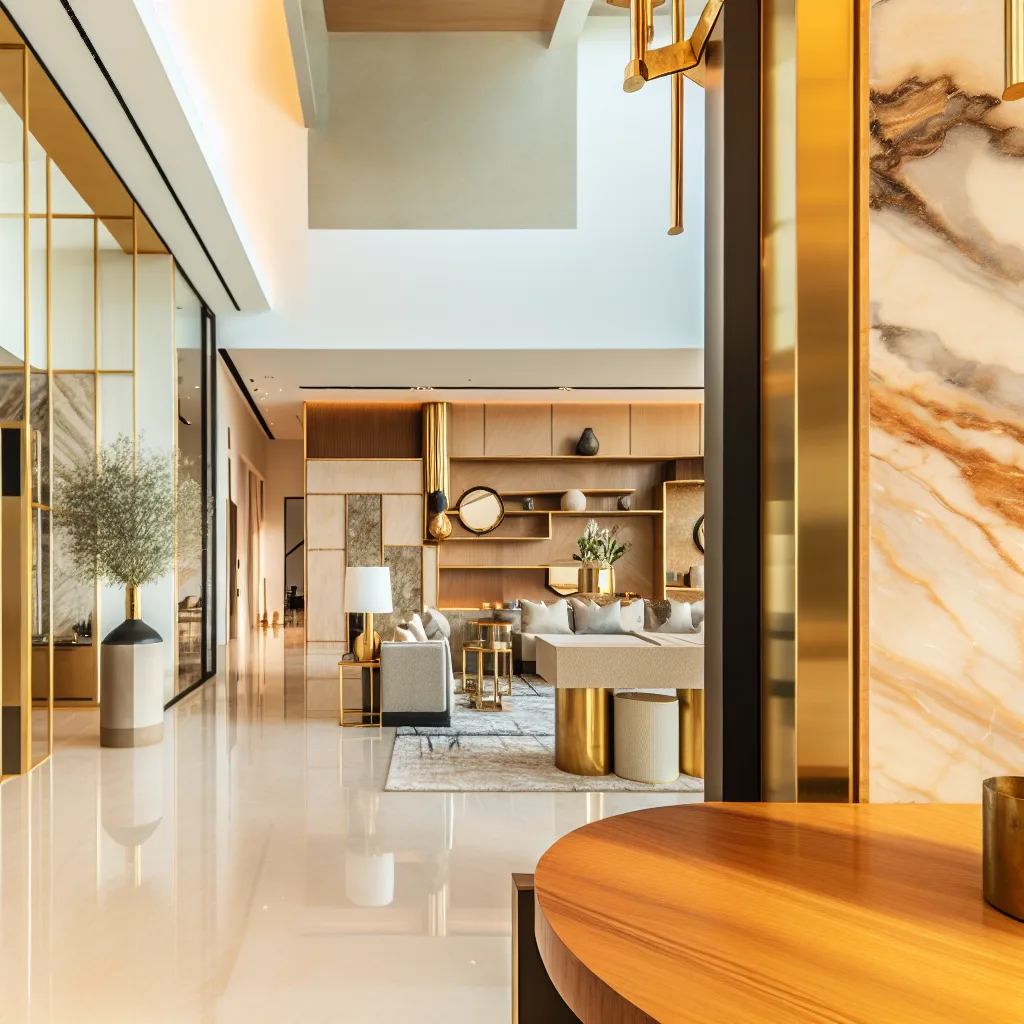
In practice, biophilic design in a Saudi luxury home can take many forms. Large, floor-to-ceiling windows and skylights maximize natural light while framing views of gardens, courtyards, or the Arabian Gulf. Locally sourced materials such as limestone, marble, and natural wood species like teak, walnut, and oak add warmth and a genuine connection to the region’s landscape. Indoor plants, from low-maintenance snake plants and pothos to full living walls, improve air quality and bring a calming presence into living rooms, home offices, and bedrooms. Outdoor terraces designed to flow seamlessly from interior spaces, along with water features and fire pits, extend the biophilic experience into year-round outdoor living. Layered lighting design, using ambient, task, and accent fixtures made from natural materials, rounds out the experience by mimicking the way light behaves outdoors.
What Are Biophilic Colors?
Color plays a quiet but powerful role in biophilic design. The palette typically draws from tones found in nature: soft greens that evoke foliage, warm browns and terracottas that reference earth and wood, sandy beiges that reflect the desert landscape of KSA, and muted blues that recall water and sky. These colors work well on walls, upholstery, and decorative accents because they create a cohesive, calming backdrop rather than competing with the natural materials and plants in the room. For a deeper look at seasonal palettes, see our related guide on spring color palettes for luxury interiors.
What Are the Downsides of Biophilic Design?
Biophilic design isn’t without its practical challenges, and it’s worth understanding them before committing to a full renovation. Live plants and living walls require ongoing maintenance and can be difficult to keep healthy in KSA’s hot, dry climate without the right irrigation and placement. Natural materials like untreated wood and certain stones can be more expensive upfront and may need more care over time than synthetic alternatives. Large windows and skylights, while excellent for natural light, can increase cooling costs in the region’s summer heat unless paired with the right glazing and shading solutions. A thoughtful design plan — one that balances ambition with the realities of the local climate and budget — helps homeowners avoid these pitfalls while still enjoying the core benefits of biophilic living.
Why Biophilic Design Matters for Interior Design in Saudi Arabia
For interior design in Saudi Arabia, biophilic principles are especially relevant. The climate can be intense, outdoor space is sometimes limited by privacy walls and urban density, and the pace of modern life makes calm, restorative interiors more valuable than ever. By applying the three pillars and select patterns of biophilic design, luxury homeowners in Khobar and across the Eastern Province can create spaces that feel genuinely connected to their surroundings, rather than shut off from them.
Frequently Asked Questions
What is biophilic design in luxury homes in KSA?
Biophilic design in luxury homes in KSA is an approach to interior design that intentionally incorporates natural elements such as light, plants, water, and natural materials to strengthen the connection between residents and nature.
What are the three pillars of biophilic design?
The three pillars are direct connection to nature, indirect connection to nature, and space and place conditions — together forming the foundation for how biophilic spaces are planned and designed.
What are the 14 patterns of biophilic design?
The 14 patterns, developed by Terrapin Bright Green, include elements like visual connection with nature, dynamic light, material connection with nature, and biomorphic forms, among others, each addressing a different way people relate to natural environments.
What are biophilic colors?
Biophilic colors are earthy, nature-inspired tones such as soft greens, warm browns, sandy beiges, and muted blues that echo the natural landscape and support a calming atmosphere indoors.
What are the downsides of biophilic design?
Common downsides include the maintenance demands of live plants, higher costs for natural materials, and increased cooling needs from large glazed areas in hot climates like KSA — all of which can be managed with careful planning.
How much does it cost to implement biophilic design in luxury homes in KSA?
Costs typically range from SAR 50,000 to SAR 200,000 depending on the scale of the project, the materials chosen, and the complexity of features like living walls or custom glazing.
Can I incorporate biophilic design into my existing luxury home in KSA?
Yes. Simple additions like indoor plants, natural materials, and improved natural light can bring biophilic benefits to an existing home without requiring a full renovation.
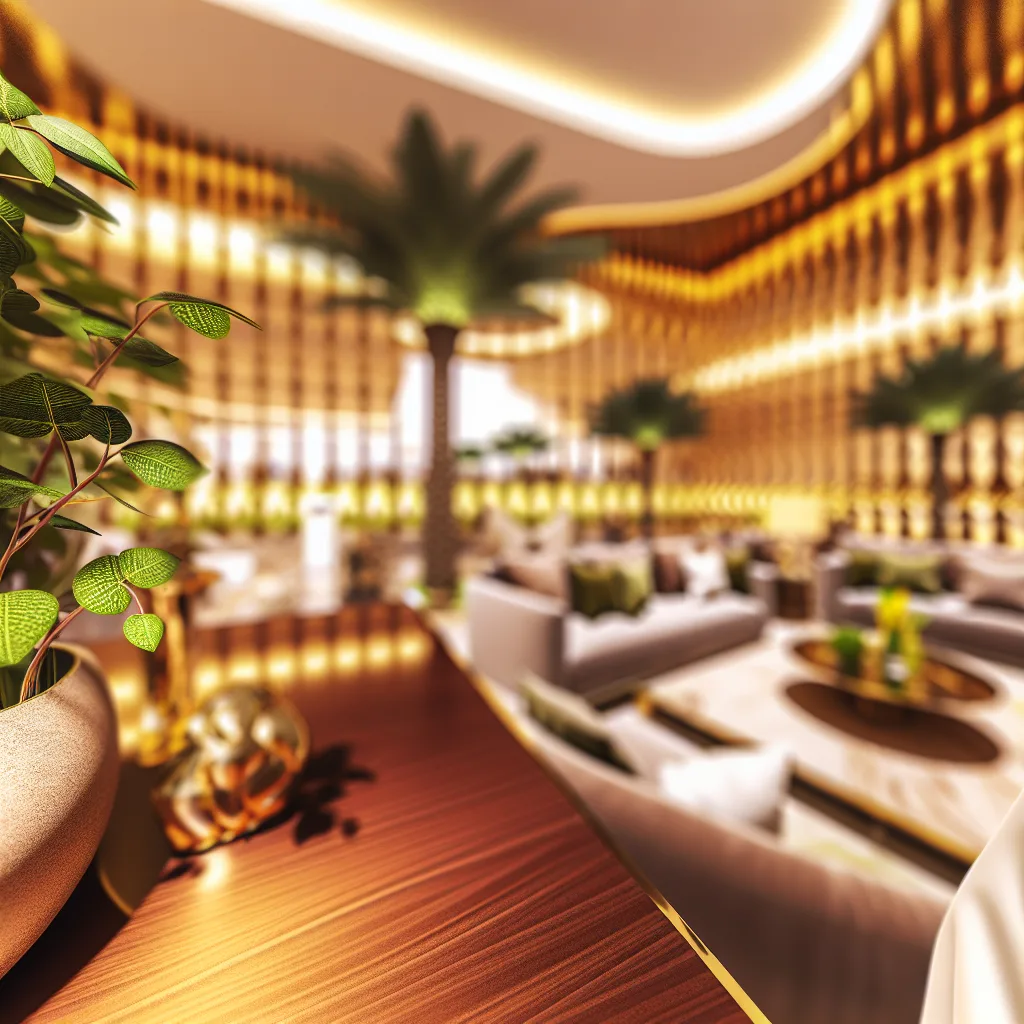
- ✦Incorporate large windows and skylights for natural light.
- ✦Choose locally sourced materials like marble and wood.
- ✦Integrate indoor plants for improved air quality and aesthetics.
- ✦Design outdoor spaces that seamlessly connect with interiors.
- ✦Utilize layered lighting to enhance natural elements.
- ✦Incorporate native Saudi plants for sustainability and authenticity.
Frequently Asked Questions
❓ What is biophilic design luxury homes KSA?
Biophilic design luxury homes KSA refers to an architectural approach that incorporates natural elements into home design, enhancing the connection between residents and nature. This can include features like indoor gardens, natural light, and water elements, creating a serene living environment. In 2026, this approach is increasingly integrated with smart home technology, allowing for automated climate control and lighting that adapts to natural rhythms.
❓ Why is biophilic design important for luxury homes in KSA?
Biophilic design is important for luxury homes in KSA as it promotes well-being and reduces stress by integrating nature into living spaces. In a region where outdoor spaces can be limited, this design approach enhances the quality of life by bringing the outdoors inside. With the increasing focus on mental health and wellness in 2026, biophilic design has become a key differentiator for luxury properties in Riyadh and the Eastern Province.
❓ Can I incorporate biophilic design in my existing luxury home in KSA?
Yes, you can incorporate biophilic design in your existing luxury home in KSA by adding elements like indoor plants, natural materials, and maximizing natural light. Simple changes can create a more inviting and calming atmosphere without the need for a complete renovation. In 2026, retrofit solutions such as smart glass that adjusts tint are becoming popular, allowing homeowners to enhance natural light without compromising on privacy or energy efficiency.
❓ Which elements are essential for biophilic design in luxury homes KSA?
Essential elements for biophilic design in luxury homes KSA include large windows for natural light, indoor gardens, water features, and the use of natural materials like wood and stone. These elements help create a harmonious living space that connects residents with nature. In 2026, biophilic design also incorporates sensory elements such as natural textures, calming scents, and even nature-inspired soundscapes to create a fully immersive experience.
Ready to Transform Your Space?
Ready to elevate your home with biophilic design? Contact us for a consultation today!
SB Interior Design
Award-winning luxury interior design studio in Khobar, Saudi Arabia.