

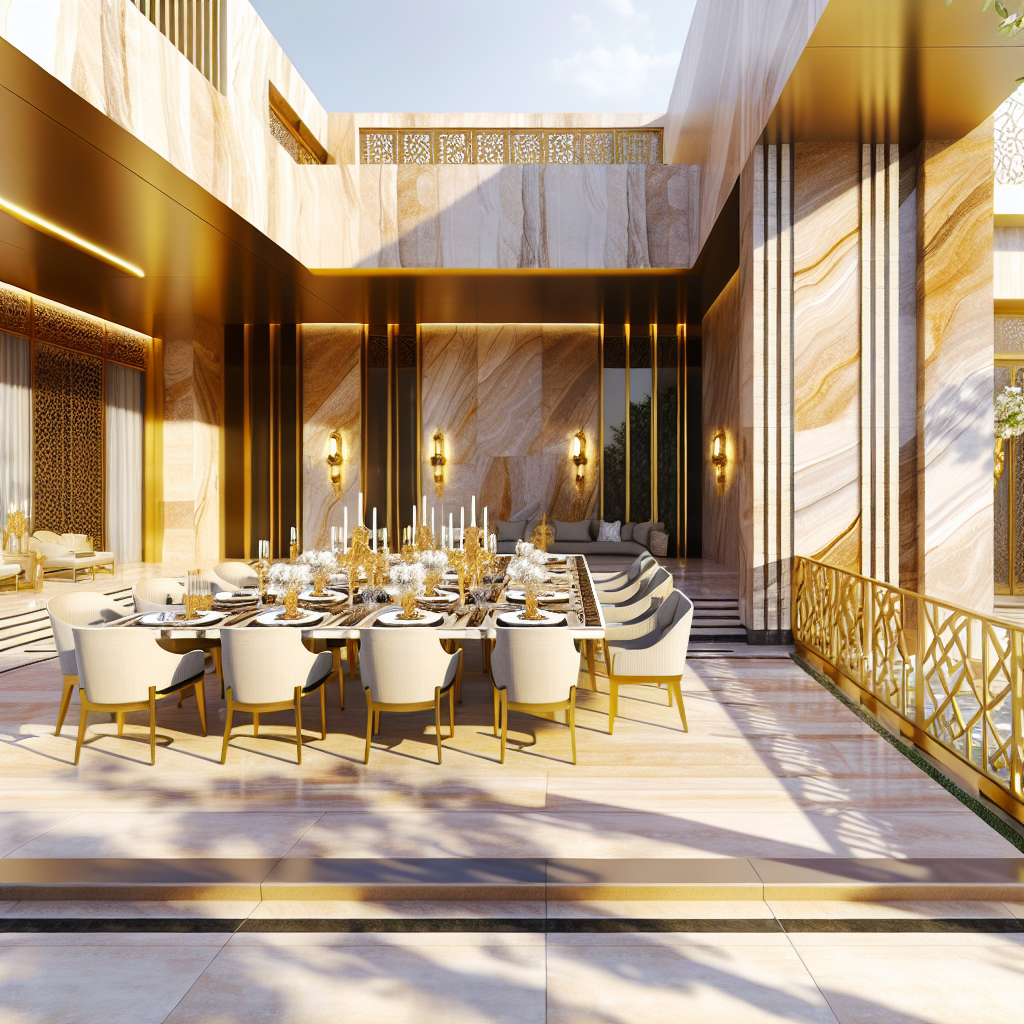
How Do You Design a Luxury Outdoor Dining Area for Celebrations?
A luxury outdoor dining area for celebrations combines a spacious, weather-resistant table and seating layout, layered lighting, durable natural materials like teak and natural stone, and culturally inspired accents such as mashrabiya screens or rich textiles. The result is a space that stays comfortable and elegant through Saudi Arabia’s heat while suiting any gathering, from family dinners to large hosted events.
The sections below walk through table and seating choices, climate-appropriate materials, lighting layers, decor styling, and typical costs, so you can plan a space that works for your home and your budget
What Makes an Outdoor Dining Area Ideal for Hosting Celebrations?
Key takeaway: An outdoor dining area built for celebrations needs three things working together: enough space for guests to move freely, furniture and finishes that survive heat and dust, and a layout flexible enough to serve everything from an intimate family dinner to a larger hosted gathering.
Start with layout. A rectangular or oval table generally seats more guests per square meter than round tables of the same footprint, and leaves clearer walking lanes for serving. Aim for at least 90–100 cm of clearance behind each seated guest so people can pass behind chairs without disturbing the table.
Beyond the table itself, three zones typically define a strong outdoor celebration space: the dining zone (table, chairs, tableware storage), a shaded or covered area (pergola, sail shade, or mashrabiya screen), and an ambient zone (lighting, greenery, and decor that frames the space after dark). Homes that treat these as one connected design, rather than furniture placed on a patio, tend to feel the most finished.
How Do You Choose the Right Table and Seating for an Outdoor Celebration Space?
Key takeaway: Match your table and seating materials to how often you host and how exposed the space is to direct sun and heat; teak and powder-coated aluminum frames paired with UV-resistant fabric cushions are the most reliable combination for Saudi outdoor use.
How Do You Care for Teak Outdoor Furniture?
Clean teak with a soft-bristle brush, mild soap, and water every few weeks, and apply a teak sealer or protective oil once or twice a year depending on sun exposure. Avoid pressure washing, which strips the wood’s natural oils and accelerates greying. Left untreated, teak will still last for years and simply weather to a silver-grey patina — some homeowners prefer this look, so sealing is a style choice, not a structural necessity.
How Can Arabic Design Elements Enhance an Outdoor Celebration Space?
Key takeaway: Mashrabiya screens, earth-tone color palettes, and handcrafted textiles or pottery bring cultural depth to an outdoor dining area without requiring a full architectural renovation — most can be added as furnishing and accent choices.
What Is a Mashrabiya Screen and How Is It Used Outdoors?
A mashrabiya is a traditional latticework screen, historically made of turned wood, used in the region’s architecture to provide shade, airflow, and privacy while filtering light into decorative patterns. In outdoor dining design, mashrabiya panels are typically used as freestanding privacy dividers, shade structures over the dining zone, or decorative backdrops. Modern versions are also produced in powder-coated metal or laser-cut composite panels, which need less upkeep than solid wood while keeping the same visual pattern.
Which Color Palettes Work Best for Arabic-Inspired Outdoor Design?
Earth tones such as terracotta, sandy beige, and deep red pair naturally with the materials already used outdoors (stone, wood, sand-toned tiles), and read as “warm” rather than “themed.” Accents in gold or silver metal — on tableware, candle holders, or lantern frames — add contrast without overwhelming the palette. For textiles, handcrafted pottery, ceramics, and woven textiles sourced from local artisans reinforce the cultural connection and typically hold up better outdoors than imported synthetic alternatives.
What Materials Hold Up Best in Saudi Arabia’s Climate?
Key takeaway: Natural stone flooring, powder-coated metal frames, and UV-stabilized fabrics are the three material categories that consistently outperform alternatives in high heat, direct sun, and dust — the combination most luxury outdoor projects in the region are built around.
For flooring, natural stone tiles such as travertine or limestone resist heat buildup better than dark composite decking and can be laid in decorative patterns for a more finished look. For furniture frames, powder-coated aluminum and stainless steel resist warping and corrosion, unlike untreated steel or softwoods. For cushions and textiles, UV-resistant, solution-dyed fabrics (as opposed to standard printed outdoor fabric) resist fading for several years of direct sun exposure rather than one season.
How Do You Protect Outdoor Furniture From Heat and Sun?
Position furniture under shade structures where possible, use fitted furniture covers when the space isn’t in use, choose UV-stabilized fabrics and sealed wood finishes from the start, and rotate cushions periodically so fading is even rather than concentrated on one side. Reapplying a UV-protective wood sealant annually is generally more effective than trying to restore faded or cracked wood later.
How Should You Light an Outdoor Dining Area for Evening Celebrations?
Key takeaway: Layer three types of lighting — ambient, task, and accent — rather than relying on a single overhead fixture; this is the same principle interior designers use indoors, applied outside.
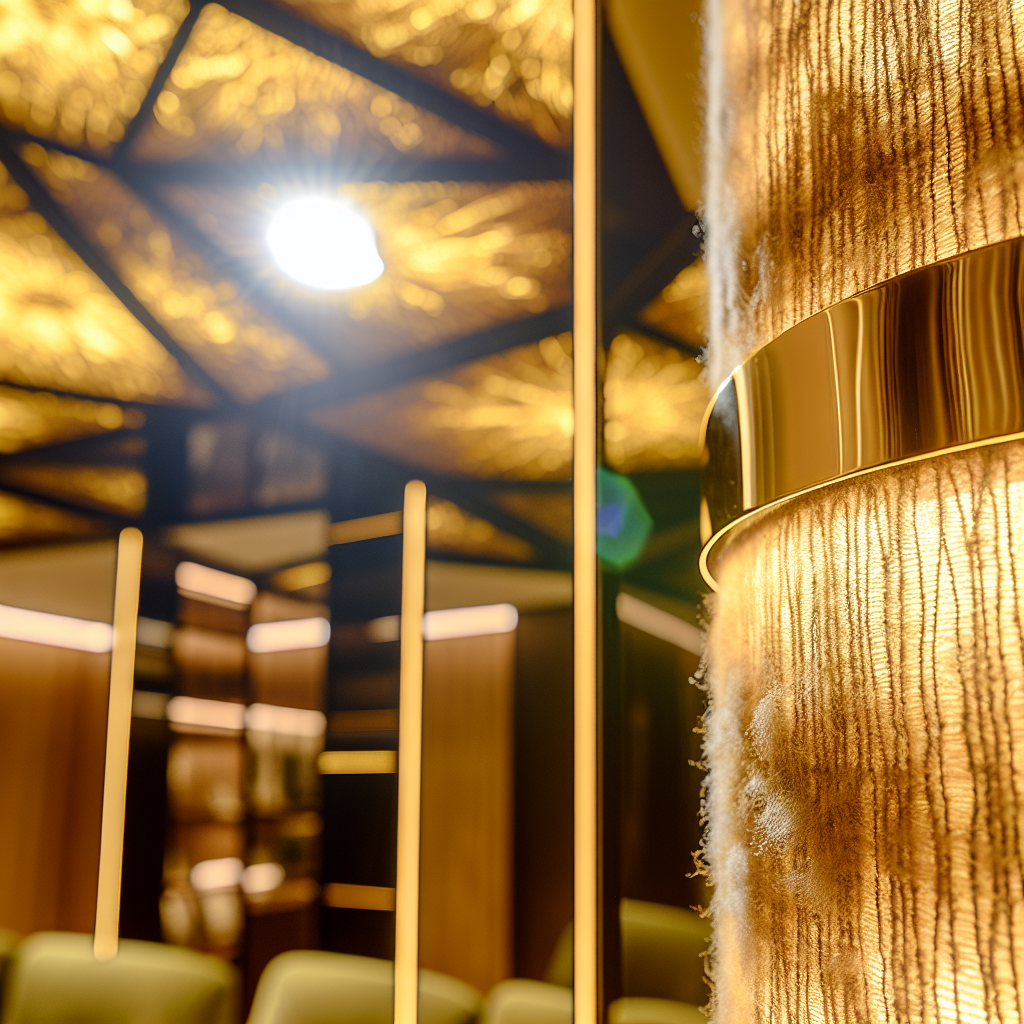
- Ambient lighting sets the base level of light across the space. Wall sconces, recessed lighting, or string lights strung above the dining zone work well, especially with warm-temperature LED bulbs (around 2700–3000K) that feel inviting rather than clinical.
- Task lighting focuses light where it’s needed — on the table itself. Lanterns, candle holders, or low-hanging pendant fixtures in brass or glass provide focused light for dining without glare.
- Accent lighting highlights features beyond the table: uplighting on trees, spotlights on water features, or path lighting leading to the seating area. This is what gives an outdoor space depth after dark instead of a single pool of light in the middle of a dark yard.
What Mistakes Should You Avoid When Designing an Outdoor Dining Space?
Key takeaway: Most outdoor dining spaces underperform not because of bad taste, but because of a handful of avoidable practical mistakes.
- Undersizing the space. Guests need clearance to push back chairs and walk behind seated diners — cramped layouts are the most common complaint after a space is built.
- Choosing indoor materials for outdoor use. Untreated wood, non-UV fabrics, and standard metal hardware will fade, rust, or crack within a season in direct Gulf sun.
- Relying on a single light source. One overhead fixture creates harsh shadows; layering ambient, task, and accent lighting solves this.
- Skipping shade planning. Even beautiful furniture becomes unusable at midday without some form of shade structure, planting, or screening.
- Over-theming decor. Decor that only works for one specific occasion means re-buying items every time; neutral furniture with swappable textile accents is more cost-effective long-term.
◈ Key Takeaways
What is the most durable material for an outdoor dining table?
Teak wood and powder-coated aluminum are generally considered the most durable choices, since both resist warping, cracking, and corrosion under sustained heat and sun exposure.Do I need to oil my outdoor teak furniture?
No, it’s optional. Oiling or sealing preserves teak’s original honey-brown color; left untreated, it will naturally weather to a silver-grey patina without structural damage.What is Mashrabiya made of?
Traditionally, turned wood latticework; modern versions are also made from powder-coated metal or composite panels for lower maintenance.Are mashrabiya screens still used in modern design?
Yes. They’re widely used today in both traditional and contemporary outdoor and architectural design for shade, privacy, and decorative pattern.How do I protect outdoor furniture from sun damage?
Use UV-resistant fabrics and sealed wood finishes, add shade structures where possible, use furniture covers when not in use, and reapply protective sealant annually.What is the best lighting setup for an outdoor dining area?
A layered combination of ambient (overall illumination), task (focused table lighting), and accent (highlighting landscaping or features) lighting works better than a single light source.How much space do I need for an outdoor dining area?
Allow roughly 90–100 cm of clearance behind each seated chair in addition to the table and chair footprint, so guests and servers can move comfortably.
Ready to Transform Your Space?
Ready to transform your outdoor space for celebrations? Contact us for a consultation and let us help you create a luxurious dining area that embodies elegance and warmth.
SB Interior Design
Award-winning luxury interior design studio in Khobar, Saudi Arabia.